
From Ceremony to Reception: Designing Florals That Work Double Duty
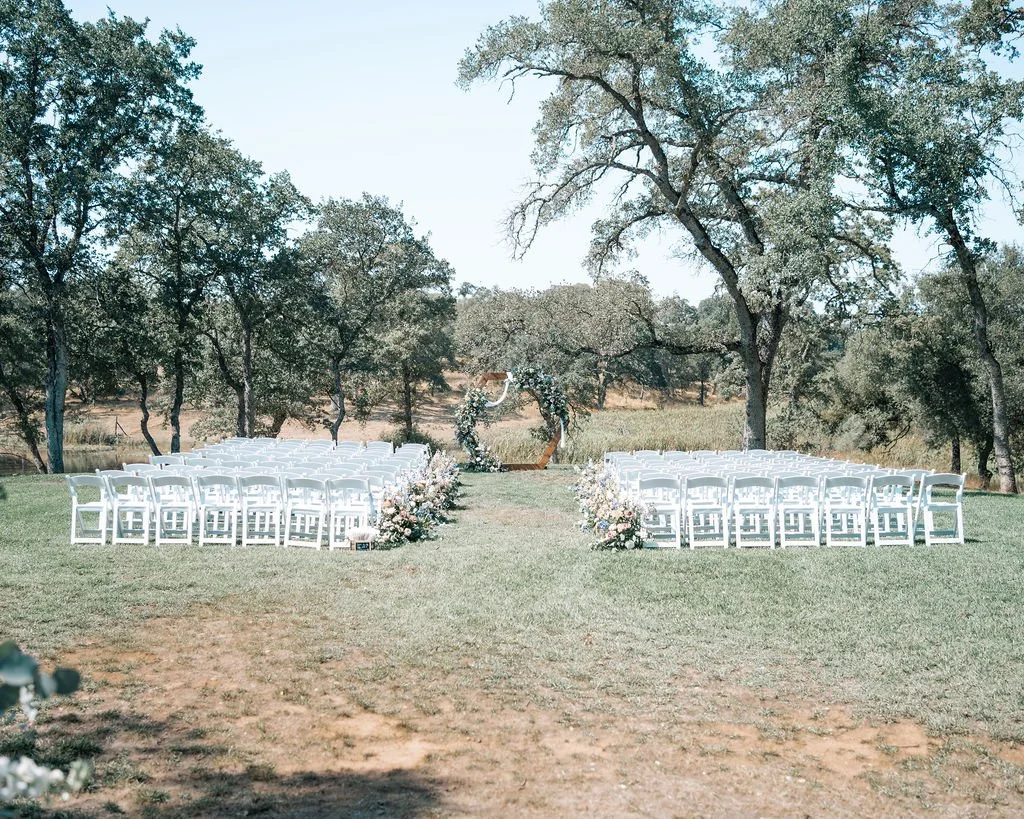
Photography by Kyle Ring Photography
Here's a question we hear all the time at Sweet Lilacs: do we really need completely separate flowers for the ceremony and reception? It's a smart question, one that speaks to both budget consciousness and practical thinking. The truth is, some of the most beautiful and well-designed weddings we've created have made strategic use of flowers that pull double duty, moving from ceremony to reception and looking gorgeous in both locations. It's not about cutting corners or skimping on florals. It's about intelligent design that maximizes your investment and creates cohesion between the two parts of your celebration.
Today, we're diving deep into the art of designing wedding florals that work beautifully for both your ceremony and your reception. We'll walk you through which arrangements translate well between spaces, how to plan your timeline to make moves possible, and the design decisions that set you up for seamless transitions. Whether you're working with a limited floral budget or simply appreciate the sustainability and sense of having your favorite arrangements present throughout your entire celebration, understanding how to repurpose ceremony florals is valuable knowledge for every couple planning a California Gold Country wedding.
Understanding the Basics: What Works and What Doesn't
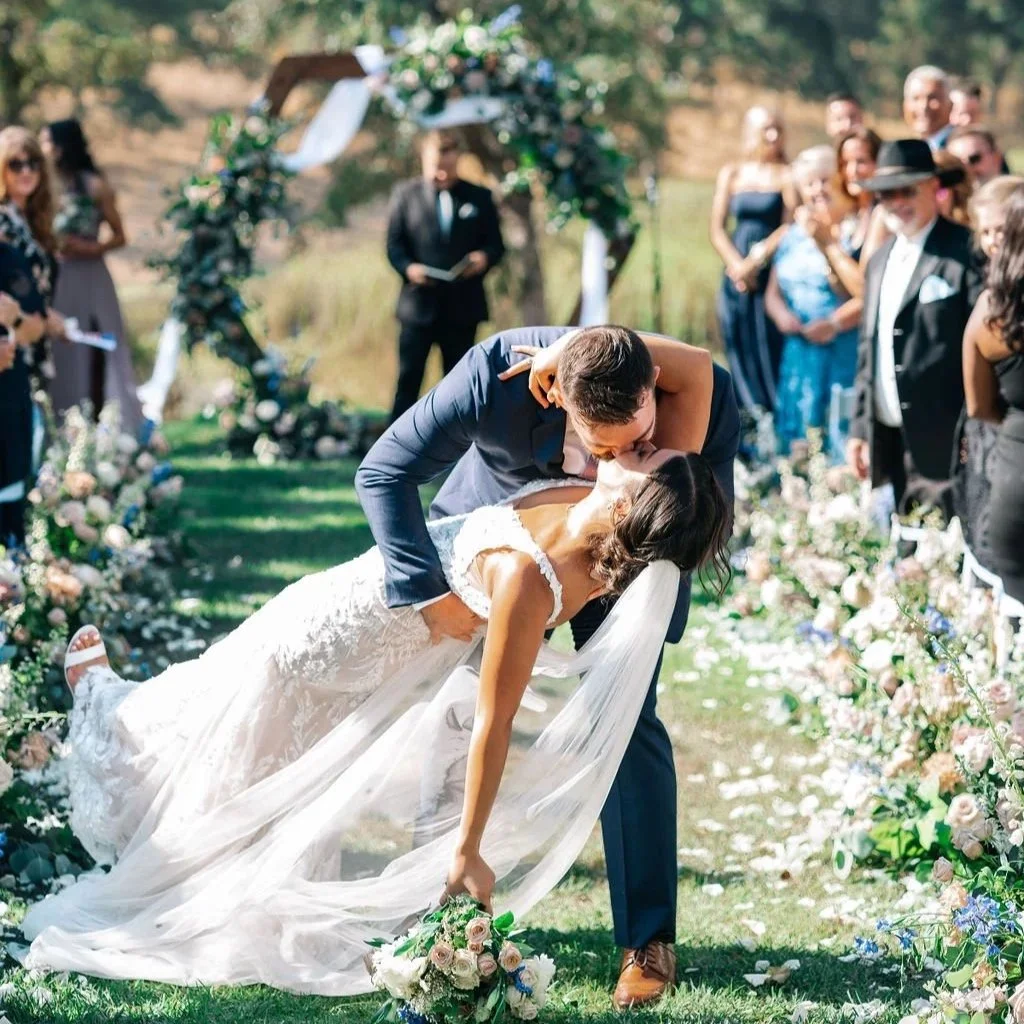
Not all ceremony arrangements are good candidates for moving to the reception, and that's the first thing to understand. Some florals are essentially installed for the ceremony and would be impractical or impossible to relocate. Others are perfect for double duty and are actually designed with this in mind from the beginning. Knowing the difference helps you make smart decisions during the planning process.
Arrangements that move beautifully include altar arrangements, especially those in substantial vessels. These are typically already designed to be freestanding, stable, and visually complete from multiple angles, all qualities that make them perfect for reception placement. Pedestal arrangements from your ceremony space can become dramatic focal points at your reception, perhaps flanking the entrance, framing your sweetheart table, or anchoring your bar area.
Aisle arrangements in moveable vessels are another excellent candidate. Those beautiful arrangements marking your aisle, assuming they're in containers rather than ground clusters or hanging installations, can be relocated to create a stunning effect at your reception. Imagine a dozen matching arrangements that lined your ceremony aisle now scattered throughout your cocktail area or grouped to create a lush bar backdrop. The repetition creates visual impact and ties the two spaces together beautifully.
Smaller ceremony arrangements, like those that might have decorated a signing table or welcome area, transition easily to reception purposes. These might become bathroom arrangements, dessert table florals, or additional touches around your bar or lounge areas.
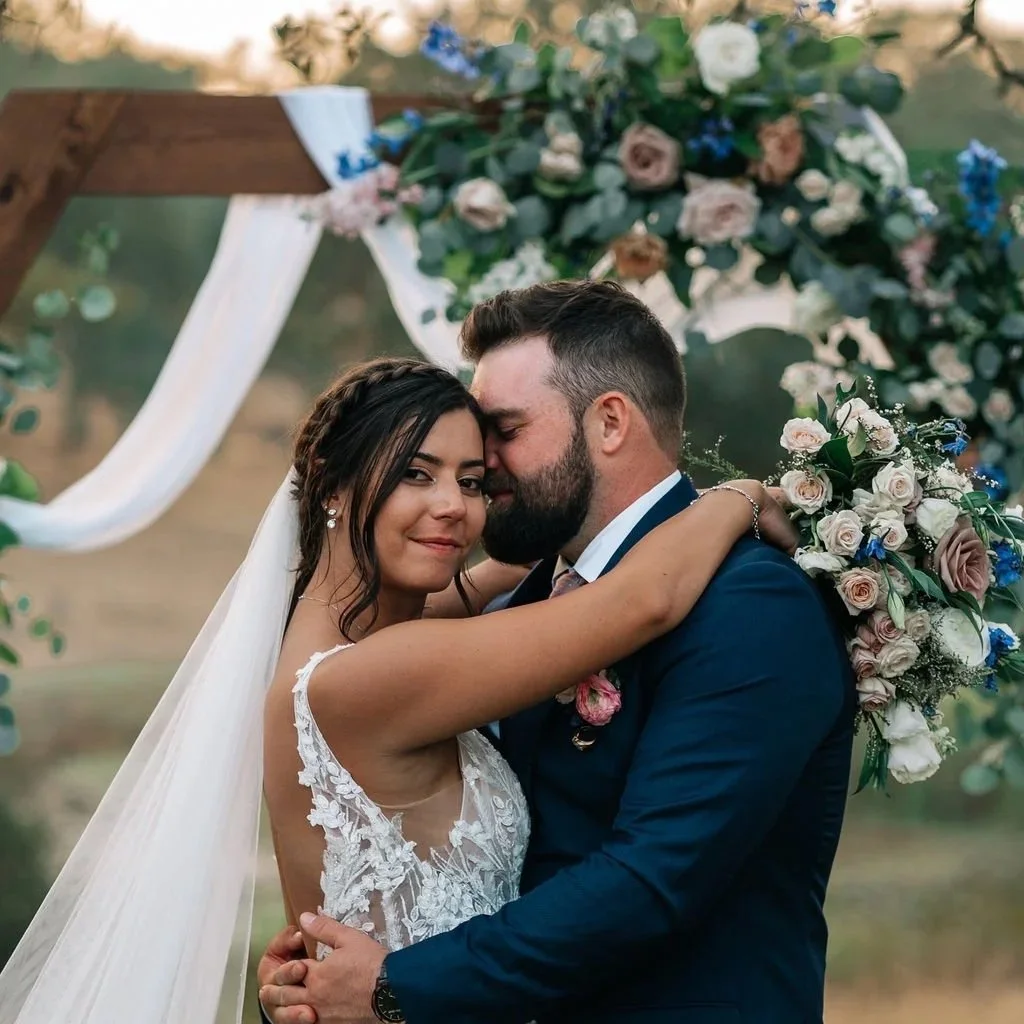
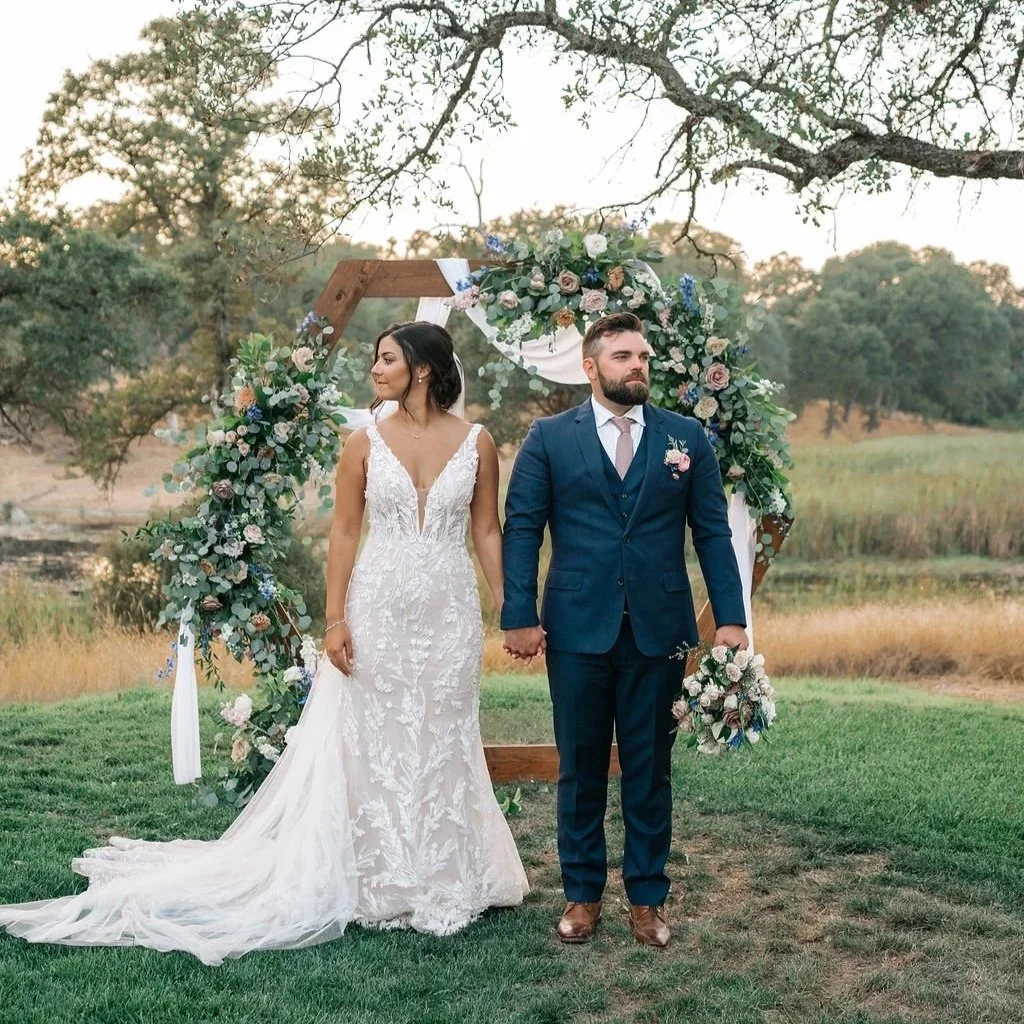
What doesn't move easily? Ceremony arches or arbors with floral installations are typically the biggest challenge. If your arch flowers are wired, attached, or designed as an installation rather than a freestanding arrangement, breaking them down and reassembling them elsewhere is often impractical within the tight timeline of a wedding day. That said, we've absolutely created arch florals designed to be disassembled into component arrangements that can then be placed around the reception. It requires planning from the beginning, but it's definitely possible.
Ground arrangements and hanging installations present logistical challenges. Ground clusters of florals, while beautiful for ceremonies, often can't be easily moved because they're essentially arranged directly on the ground or in vessels that aren't designed for transport. Hanging arrangements require infrastructure, whether that's shepherd's hooks, trees, or ceiling points, and finding equivalent placement at your reception may not be feasible.
Petals scattered down the aisle have obviously served their purpose once your ceremony is over. While you could theoretically gather them, most couples use fresh petals for ceremonies and simply let them be, considering them a beautiful moment that doesn't need to be repurposed.
Strategic Design: Planning for Dual Use From the Start
The most successful flower moves happen when arrangements are designed from the beginning with dual purposes in mind. This isn't something you can necessarily decide at the last minute. It requires planning during the design phase, thinking about both ceremony and reception needs simultaneously, and making deliberate choices about scale, style, and vessel selection.
When we're working with couples who want to repurpose ceremony florals, we start by understanding both spaces. What does your ceremony site look like, and what are its floral needs? What does your reception space look like, and where could these arrangements live their second life? Sometimes the ceremony space requires minimal florals because the venue is already gorgeous, which means you can invest in fewer but larger arrangements that will then make a big impact at the reception.
Designing arrangements that work in multiple contexts means thinking about viewing angles. Ceremony arrangements are often viewed primarily from one direction, guests seeing them from their seats facing forward. But reception arrangements typically need to look good from all sides since guests will be moving around the space. This influences how we construct arrangements, ensuring they're visually complete from every angle if they're destined for reception placement.
Scale matters differently in ceremony versus reception spaces. What feels appropriately sized for a ceremony altar might feel lost in a large reception hall, or conversely, arrangements that are perfect for intimate reception table arrangements might be too small to register in ceremony photos. When designing for dual use, we often aim for the larger end of the scale spectrum, ensuring arrangements have enough presence to work in both contexts.
Vessel selection becomes crucial. Arrangements destined to move need to be in stable, transportable containers. Beautiful but delicate vessels might not survive the trip from ceremony to reception. Heavy ceramic urns are gorgeous and stable but might be impractical if you're moving many arrangements. We often use vessels that strike a balance: substantial enough to look elevated and elegant, practical enough to move efficiently.
The Timeline: Making Moves Possible
Here's where planning gets practical. For ceremony florals to successfully transition to your reception, you need adequate time between the end of your ceremony and when guests enter the reception space. This is why cocktail hours are so valuable, they're not just giving your guests something to do while you take photos, they're providing the buffer needed for setup transitions including floral moves.
A standard cocktail hour, usually sixty to seventy-five minutes, provides enough time for your florist or venue coordinator to move ceremony arrangements to the reception space. This assumes your ceremony and reception are in the same general location or close enough that transport is quick. If your ceremony is happening at one venue and your reception at a completely different location across town, moving flowers becomes significantly more complicated and might not be practical.
The ideal setup for flower moves is when your ceremony and reception are in different spaces at the same venue. Maybe you're getting married in a vineyard ceremony site and then moving to a barn reception space on the same property. Or perhaps your ceremony is in a garden and your reception in an indoor ballroom. These scenarios make floral transitions relatively straightforward because travel time is minimal and your floral team can quickly relocate arrangements during cocktail hour.
When ceremony and reception are in the exact same space, you're working with a flip scenario where the entire room transforms during cocktail hour. Guests leave for cocktails elsewhere, and your team has that window to completely reset the space from ceremony to reception configuration. In these situations, it's not so much about moving flowers as it is about repositioning them within the same room. This can work beautifully and often results in very cohesive design since the same flowers remain in the space throughout your celebration.
Responsibility for moving flowers needs to be clearly established before your wedding day. Sometimes this falls to your florist, who will have team members on site specifically for this purpose. Other times, it's your venue coordinator and their staff who handle the moves. Occasionally, it's a combination of both, with florists moving the actual arrangements and venue staff handling any furniture or risers that might be involved. Whatever the arrangement, everyone needs to know the plan well before your wedding day so there's no confusion when it's time to execute.
Smart Placement: Where Ceremony Florals Shine at Receptions
So you've got these beautiful ceremony arrangements ready for their second act. Where should they go at your reception to make the biggest impact? Let's walk through the best placement options that make ceremony florals feel purposeful and beautiful in reception settings.
The entrance to your reception space is prime real estate for relocated ceremony florals. Those substantial altar arrangements that flanked your ceremony space? They're perfect for welcoming guests into your reception, creating an impressive first impression and immediately establishing the floral aesthetic for the evening. Large arrangements at your reception entrance signal celebration and abundance, setting the tone before guests even fully enter the space.
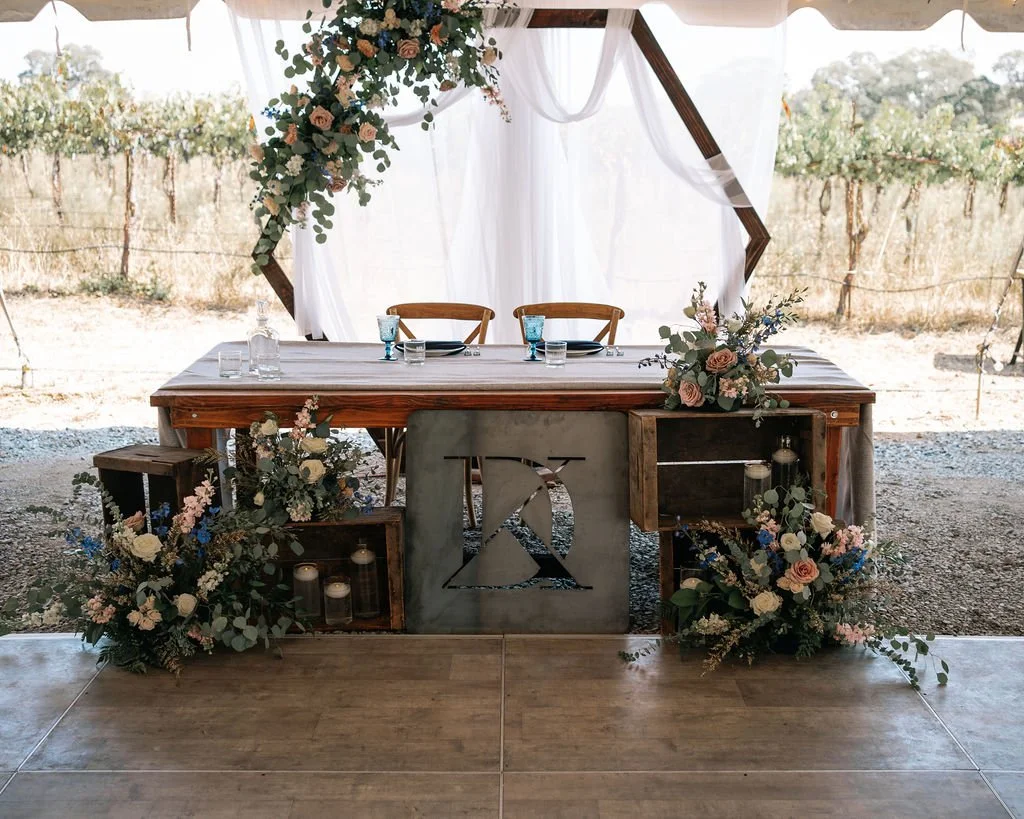
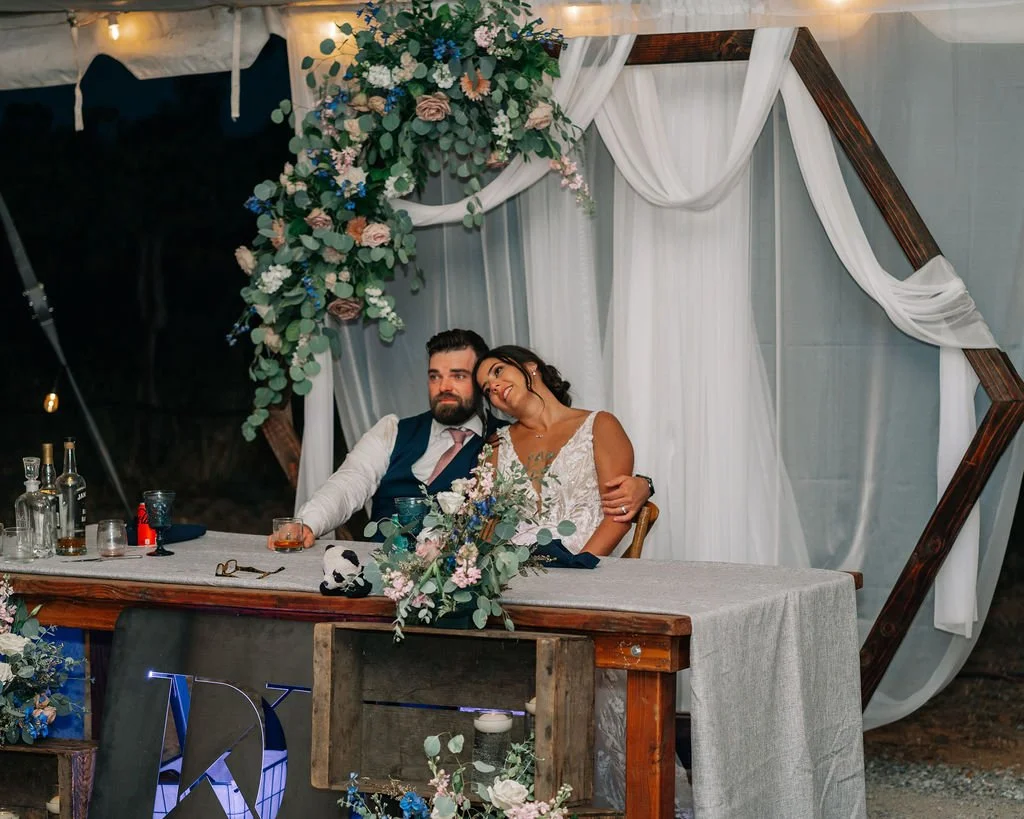
Your sweetheart table or head table deserves special attention, and ceremony florals can provide that. Altar arrangements might be the perfect scale for flanking your sweetheart table, or perhaps a collection of aisle arrangements creates a lush backdrop behind where you'll sit. This placement makes particular sense symbolically, the flowers that witnessed your vows now surround you as you celebrate with your guests.
Bar areas benefit tremendously from substantial florals. Bars are typically high-traffic, high-visibility spaces during cocktail hour and throughout the reception, which makes them ideal locations for your largest, most impressive arrangements. Those ceremony altar florals become a stunning bar backdrop, and guests will absolutely notice and appreciate the beauty. Multiple bars mean you can distribute several large ceremony arrangements across these spaces.
Cocktail table arrangements are a perfect use for mid-sized ceremony florals. If you had aisle arrangements in vessels, these might be exactly the right scale for cocktail tables, providing beautiful moments throughout your cocktail hour without requiring you to purchase additional arrangements specifically for this purpose. Even just a handful of these distributed among cocktail tables makes the space feel considered and lush.
Lounge areas and conversation spaces, if your reception includes these, are wonderful destinations for ceremony florals. These more intimate spaces within your larger reception benefit from the warmth and beauty that flowers provide, and using ceremony arrangements here means these spaces feel as thoughtfully designed as your main reception area.
The gift or card table, guest book area, and dessert table are all candidates for smaller ceremony arrangements. If you had florals decorating your ceremony signing table or other ceremony details, these can beautifully transition to functional areas at your reception that benefit from floral touches but might not justify purchasing new arrangements.
Escort card displays become more elevated with the addition of ceremony florals. Whether you're using a mirror, table, or other creative display for escort cards, surrounding it with relocated ceremony arrangements creates a moment that guests pause to appreciate and photograph.
Budget Impact: How Dual-Purpose Florals Affect Your Investment
Let's talk about the financial aspect of dual-purpose florals, because this is often what initially draws couples to this approach. The potential for budget savings is real, but it's important to understand both the benefits and the limitations so you can set appropriate expectations.
When ceremony florals move to your reception, you're essentially getting twice the use from the same flowers, which means you can allocate more of your floral budget to larger, more impressive arrangements rather than spreading your budget across separate ceremony and reception purchases. Instead of modest ceremony arrangements because you're saving budget for reception florals, you can invest in substantial ceremony pieces knowing they'll serve double duty.
The savings are most significant when you're talking about large statement pieces. If you've budgeted for two large altar arrangements for your ceremony, and then were planning to purchase separate large arrangements for your reception entrance or sweetheart table, moving the ceremony pieces saves the cost of those additional large arrangements. This could easily represent hundreds or even thousands of dollars depending on the scale and flower choices.
However, it's important to note that there may be labor costs associated with moving flowers. While you're saving on flower purchases, your florist or venue coordinator needs to allocate time and staff to physically move and reset arrangements during your cocktail hour. Some florists include this service in their standard wedding packages, others charge additionally for it. Make sure you understand the full cost picture when planning dual-purpose florals.
The sustainability angle is worth mentioning too. Beyond budget, many couples appreciate the reduced waste of using flowers throughout their celebration rather than having elaborate ceremony florals that essentially serve their purpose in thirty minutes and then sit unused. There's something satisfying about knowing your favorite arrangements are present throughout your entire wedding day rather than being relegated to a single moment.
That said, dual-purpose florals won't necessarily cut your floral budget in half. You'll likely still want some arrangements designed specifically for reception needs, particularly dining table centerpieces which serve a different function than ceremony florals. The savings come from eliminating redundancy, not from having fewer flowers overall. You're being strategic about where to invest rather than necessarily reducing the total investment.
Design Considerations: Making Moves Feel Intentional
The difference between dual-purpose florals that feel intentional and those that feel like you're just moving stuff around comes down to design planning. When done well, guests won't necessarily notice that these are the same arrangements from your ceremony, they'll just perceive a beautifully designed reception with cohesive florals throughout.
Color and style consistency become your friend here. If your ceremony arrangements and your reception-specific florals, like centerpieces, share a color palette and design aesthetic, everything feels coordinated even though some pieces are pulling double duty. This is why working with a single florist for your entire wedding is so valuable, they're designing a comprehensive floral plan rather than treating ceremony and reception as separate entities.
Sometimes we'll modify arrangements slightly when moving them from ceremony to reception. Maybe we add a few stems to make an arrangement fuller, or perhaps we adjust the positioning of certain elements to optimize them for their new viewing angle. These small tweaks ensure arrangements look their absolute best in each location rather than being obvious transplants.
Grouping creates impact when you're working with multiple smaller arrangements that have moved from ceremony to reception. Rather than scattering them throughout your space where each might feel a bit lost, clustering several together creates a statement. Those six aisle arrangements that individually are nice but not show-stopping can become absolutely gorgeous when grouped as a collection around your bar or framing your lounge area.
Lighting changes between ceremony and reception, particularly for evening receptions, and it's worth considering how this affects your florals. Arrangements that look a certain way in natural daylight might take on different qualities under reception lighting, whether that's romantic amber uplighting, string lights, or candlelight. Good floral designers think about how arrangements will read in different lighting conditions, ensuring they're beautiful both during your ceremony and throughout your evening celebration.
Real Talk: When Not to Move Ceremony Florals
While we've spent most of this post championing dual-purpose florals, it's important to acknowledge when moving ceremony arrangements doesn't make sense. Sometimes separate ceremony and reception florals are actually the better choice, and understanding when that's the case helps you make the best decision for your specific situation.
If your ceremony and reception are at venues far apart, the logistics of moving flowers might outweigh the benefits. Transport time, potential damage to arrangements during travel, and the coordination required to get everything moved, set up, and looking fresh at your reception venue might be more trouble than it's worth. In these cases, separate florals designed specifically for each space makes more practical sense.
When your ceremony requires minimal florals because the venue is already stunning, there might not be substantial arrangements worth moving anyway. If you're getting married in a redwood grove or a garden in full bloom and only need a simple arrangement or two for your ceremony, those pieces might not provide significant value at your reception.
If your reception space is significantly larger or more formal than your ceremony site, ceremony arrangements might not have the scale or style needed to work in the reception environment. An intimate ceremony setup that's perfect for fifty guests might feel sparse in a grand ballroom, and trying to stretch those arrangements across both spaces could leave both feeling under-designed.
Let's Design Florals That Work Beautifully Twice
Dual-purpose wedding florals represent smart, strategic design that maximizes your investment while creating cohesion throughout your celebration. When planned thoughtfully from the beginning, arrangements that start at your ceremony and transition to your reception feel intentional and beautiful in both settings, creating visual continuity that guests might not consciously notice but will certainly feel.
At Sweet Lilacs, we love working with couples to create these comprehensive floral plans that consider both ceremony and reception needs simultaneously. We'll help you identify which arrangements make sense to move, design them with dual purposes in mind, and coordinate the logistics to ensure seamless transitions. The result is a wedding day where your favorite flowers are present throughout your celebration, working hard and looking gorgeous from your first walk down the aisle through your last dance.
Ready to start planning wedding florals that work beautifully for both your ceremony and reception? We're here to help you design smart, stunning arrangements that make the most of your investment. Let's create something beautiful together.
Photography| Kyle Ring Photography
Venue| Niemuth Manor
Coordination| Wildflower Event Co
Florals| Sweet Lilacs Studio
Catering| Lila and Sage
Rentals| Standard Event Rentals